

Magnesium Glycinate and Sleep: Why So Many Menopausal Women Are Running on Empty
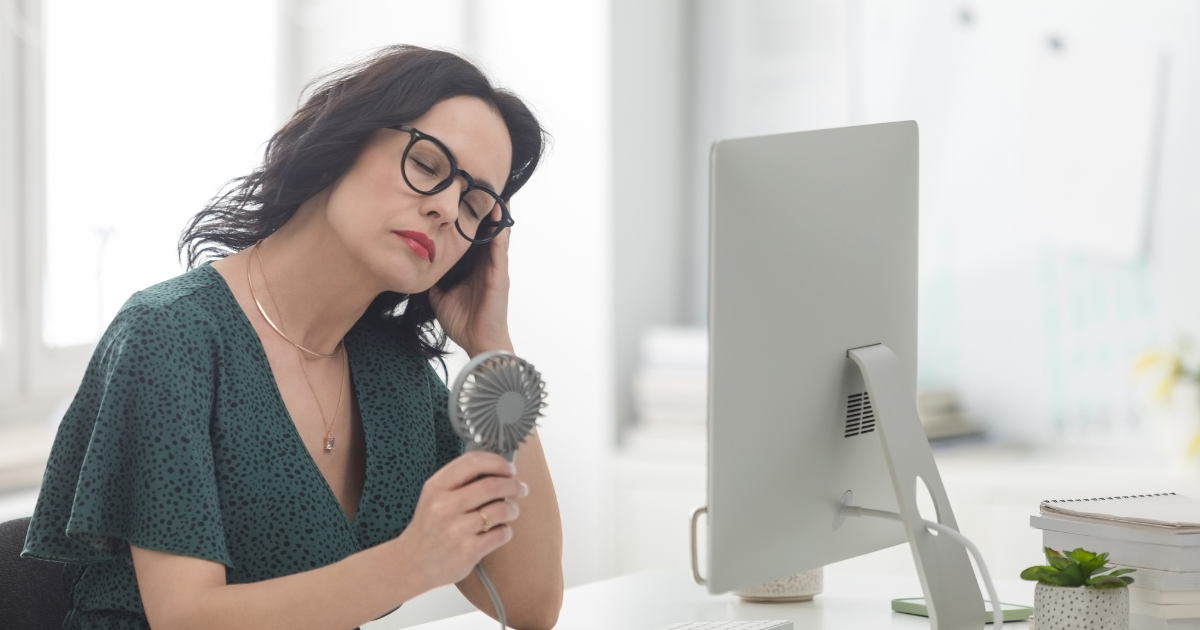
If you’re lying awake at 3 am, staring at the ceiling with your mind racing and your body exhausted, you’re in very good company. Sleep disruption is one of the most universal and debilitating symptoms of menopause. And while falling estrogen and progesterone get most of the blame, there’s another deficiency quietly making things worse that very few women are told about: magnesium.
Why Menopausal Women Are So Often Deficient
Magnesium is one of the most abundant minerals in the human body, involved in over 300 enzymatic processes. Yet studies consistently show that a significant proportion of adults don’t get enough from diet alone, and menopausal women are particularly vulnerable for several reasons.
Estrogen helps the body retain magnesium. As estrogen declines, so does this protective effect, meaning your body excretes more magnesium than it used to. Chronic stress, which many women experience during this life stage, further depletes magnesium stores through increased urinary excretion. Add to that the fact that modern diets tend to be low in magnesium-rich foods like leafy greens, nuts, seeds, and legumes, and deficiency becomes almost inevitable for many women.
The symptoms of magnesium deficiency read like a menopause checklist: poor sleep, anxiety, muscle cramps, fatigue, low mood and brain fog. This overlap means deficiency often goes unrecognised, with symptoms attributed entirely to hormonal changes when nutrition may be playing a significant role.
What Magnesium Does for Sleep
Magnesium’s relationship with sleep is well established and operates through several mechanisms.
It activates the parasympathetic nervous system, the body’s rest-and-digest mode, helping to physically calm the body in preparation for sleep. It binds to GABA receptors in the brain, the same calming neurotransmitter pathway we discussed in our last issue on L-theanine, quieting neural activity and making it easier to fall and stay asleep. It also regulates melatonin production, the hormone that governs your sleep-wake cycle, which becomes increasingly disrupted during menopause.
Research published in the Journal of Research in Medical Sciences found that magnesium supplementation significantly improved sleep quality, sleep onset, and early morning awakening in older adults. These are exactly the sleep patterns most commonly disrupted in menopausal women.
Why Glycinate Specifically?
Not all magnesium supplements are created equal. The form of magnesium matters enormously, both for absorption and for tolerability.
Magnesium glycinate is magnesium bound to glycine, an amino acid that has its own calming and sleep-supportive properties. This combination makes it highly bioavailable, meaning your body can actually absorb and use it effectively. It is also the gentlest form on the digestive system, unlike magnesium citrate or oxide, which commonly cause loose stools at higher doses.
For menopausal women specifically, magnesium glycinate is generally considered the gold standard form for sleep and mood support.
What the Research Shows
Beyond sleep, magnesium has been studied for its effects on anxiety, depression, and inflammation, all of which intersect with menopause. A 2017 review in Nutrients found consistent evidence linking low magnesium intake with depression and anxiety, and noted that supplementation showed promise in improving both. A growing body of research also points to magnesium’s role in reducing cortisol, the primary stress hormone, which tends to be chronically elevated during perimenopause and disrupts both sleep architecture and mood.
It won’t replace hormonal treatment where that’s appropriate, but the evidence suggests magnesium glycinate is one of the most foundational supplements a menopausal woman can take.
How to Use It
Most research uses doses in the range of 200 to 400mg of elemental magnesium daily. For sleep specifically, taking it 30 to 60 minutes before bed tends to yield the best results. It’s generally safe for long-term use, though women with kidney disease should consult their doctor before supplementing, as the kidneys are responsible for excreting excess magnesium.
When shopping, check the label carefully. Look for magnesium glycinate or magnesium bisglycinate (the same thing) and check the elemental magnesium content, not just the total compound weight.
As with any supplement, it’s worth discussing with your healthcare provider, particularly if you’re taking medications for blood pressure, antibiotics or diabetes, as magnesium can interact with these.
The Bottom Line
Sleep deprivation is not something women should simply endure as an inevitable part of menopause. Magnesium deficiency is common, correctable, and has real consequences for sleep, mood, and overall well-being. Magnesium glycinate is one of the most accessible, well-tolerated, and evidence-supported tools available for addressing it.

Available at my Fullscript account. Discounted everyday. Sign up for free.